
Rapid Admin Panel Development in Laravel Using Filament
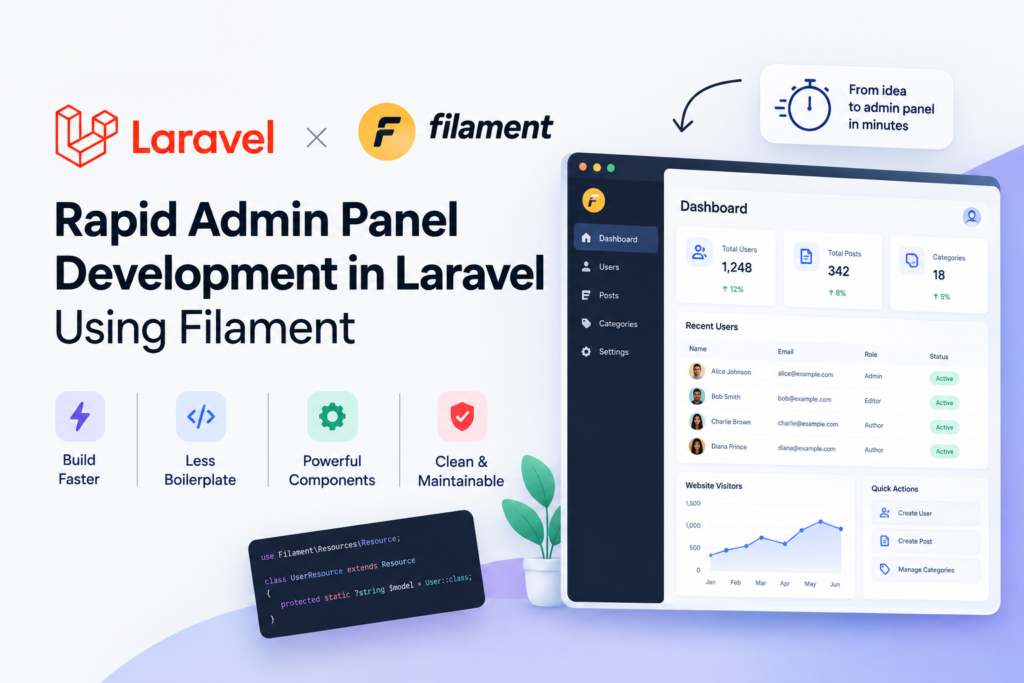
Every serious web application eventually needs an admin panel, a place to manage records, review data, and handle day-to-day operations. The problem is that building one from scratch means writing the same CRUD forms, tables, and validation logic over and over again for every resource in your database. Filament solves this by generating a fully […]
Setting Up a Modern Laravel Project: Filament, Boost, Reliese, and Shield
Starting a new Laravel project usually means the same routine: install the framework, wire up an admin panel, generate models from a database, and set up roles and permissions, all before writing a single line of real business logic. This setup walks through a stack of four packages that automate most of that routine, along […]
5 Laravel Eloquent Tricks That Cleaned Up My Codebase
When I started working with Laravel on real projects which introduced juggling multiple stakeholders, admin panels, and third-party integrations, I noticed my controllers and models slowly turning into a mess of repeated queries and bloated conditionals. Eloquent is powerful, but it’s easy to use it in ways that just barely work instead of ways that […]
How to Limit WSL 2 RAM, CPU using .wslconfig

WSL 2 makes it easy to run Linux directly inside Windows, but if you use it for development, Docker, databases, builds, or other heavy workloads, you may notice that WSL can consume a significant amount of your system resources. Fortunately, WSL 2 allows you to control how much RAM and CPU it can use through […]
How to Securely Copy Files Between Local and Remote Systems
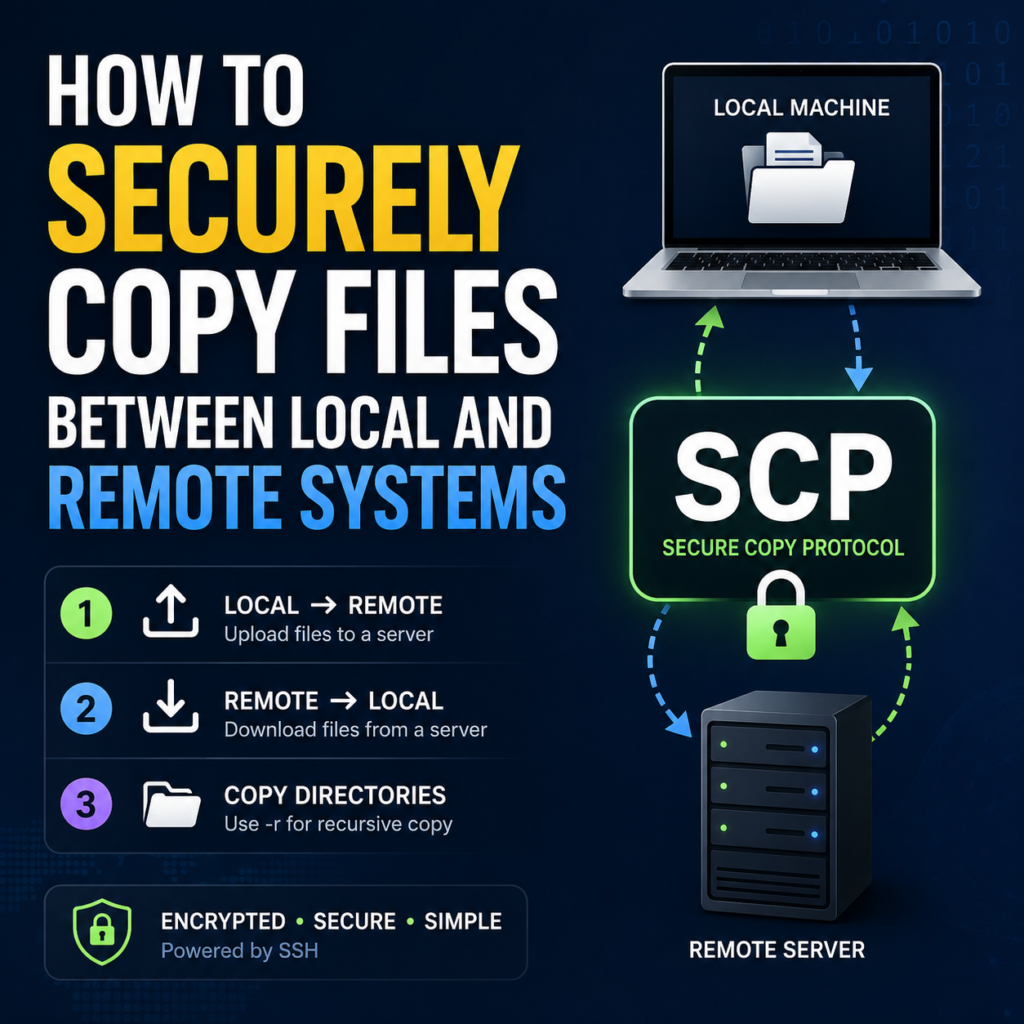
If you work with remote servers, sooner or later you’ll need to move files between your local machine and a server or between two servers. One of the simplest, most reliable tools for this is SCP (Secure Copy Protocol). SCP rides on top of SSH, which means every transfer is encrypted and authenticated the same […]
Exposing Localhost to the Internet: Using ngrok to Test Midtrans Webhooks
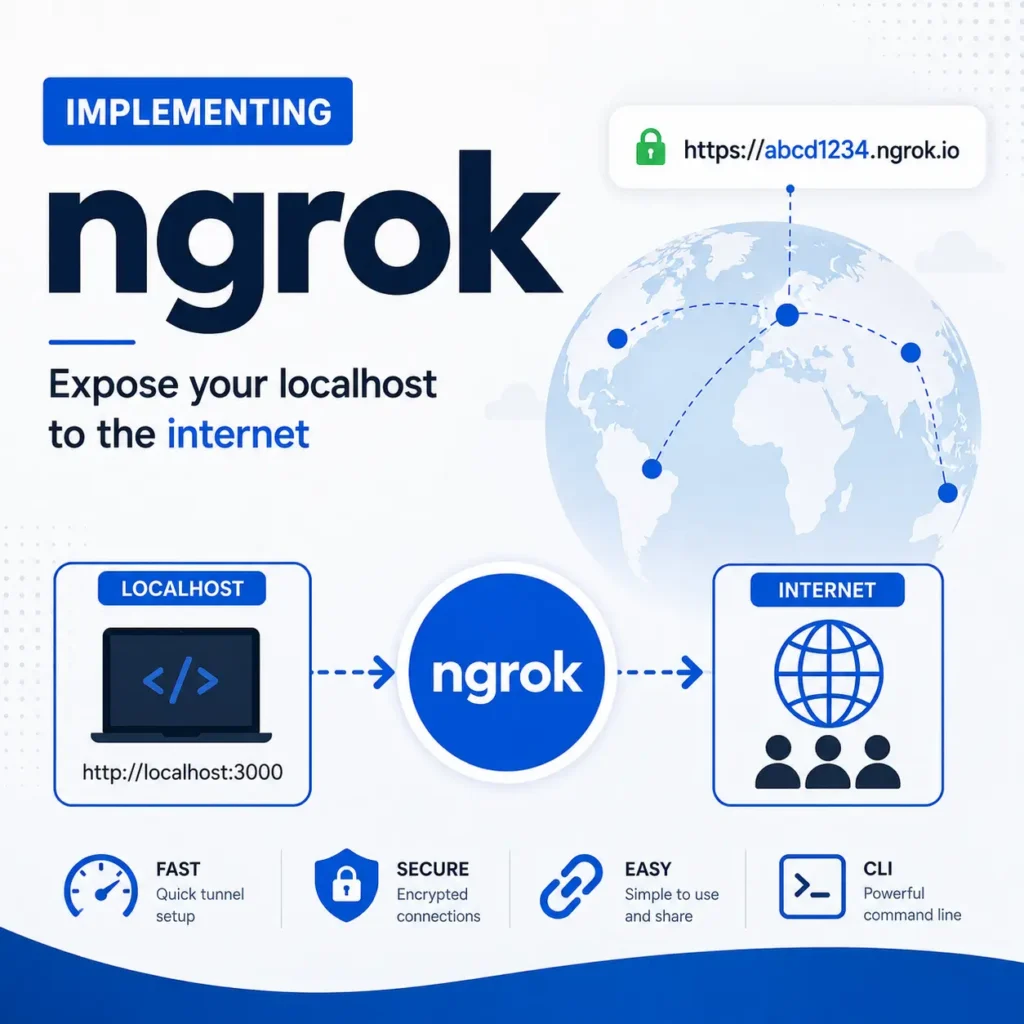
Payment gateway integrations almost always need a real, publicly reachable URL. It can’t use localhost:8000 because the gateway itself calls your server to confirm a payment happened. While building payment handling for my project using Midtrans’s sandbox environment, I hit exactly that wall, and ngrok was the fix. The Problem Midtrans (like most payment gateways: Stripe, Xendit, etc) […]
Compressing Images Before Storage in Laravel
When users upload images to a web app, raw uploads can easily be several megabytes each. Multiply that by hundreds of uploads and you’ve got a storage and bandwidth problem. Pages load slower, backups get bigger, and hosting costs climb. The straightforward way to fix it is by compressing images before they hit storage, not after. This […]
What Are Domain, Hosting, and Server? A Beginner’s Guide
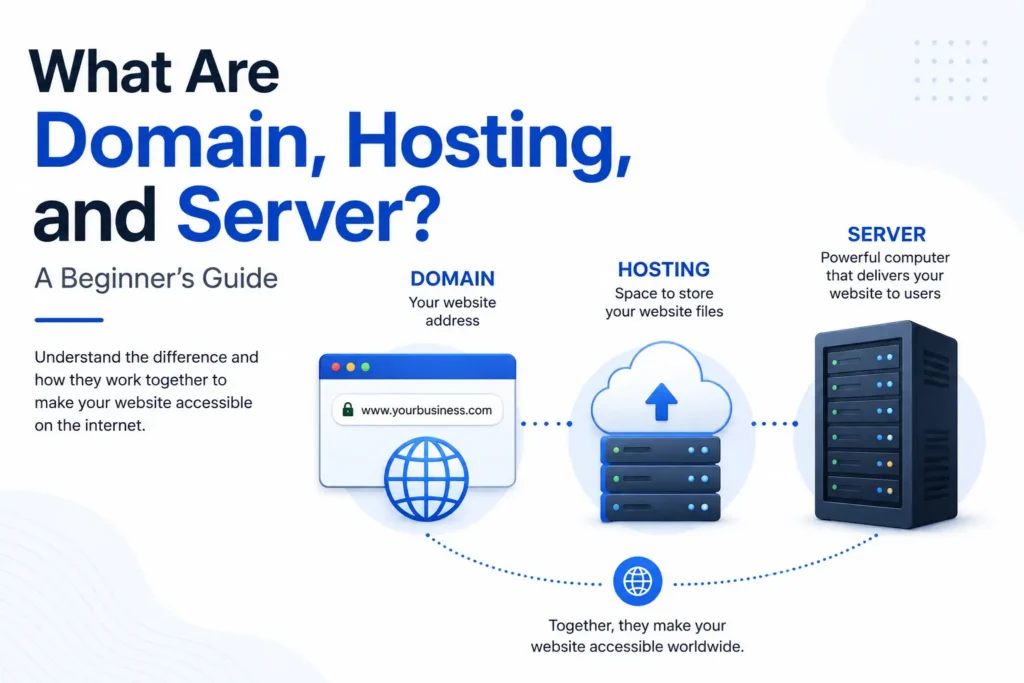
If you’re planning to build a website, you’ve probably come across three common terms: domain, hosting, and server. These terms are closely related, but they are not the same thing. Understanding the difference will help you make better decisions when creating a website, whether it’s for a personal project, a company profile, an online store, […]
Getting Started with Neon: Serverless PostgreSQL Made Simple

If you’ve ever set up a PostgreSQL database the traditional way, you know the routine: provision a server, install Postgres, configure users and permissions, set up backups, and hope you don’t forget to scale it when traffic spikes. Neon changes that story. It’s a serverless, fully managed PostgreSQL platform that lets you go from zero […]
3 Filament Features I Wish I Knew About Sooner

When I started building admin panels with Filament, I did what most beginners do: I made a Resource, filled in the form fields, and called it done. It worked, but it also meant I was writing a lot of extra code for things Filament could already handle for me. Here are three features that quietly […]